When Life Feels Unpredictable, Be the Predictable Part
The beginning of a school year already brings a lot of transition for young children: new classrooms, new Morahs, new friends, and new routines. Just as everyone begins to find their rhythm, the holiday season arrives; with school closures, shorter weeks, late nights, special meals, and schedules that look different from one day to the next.
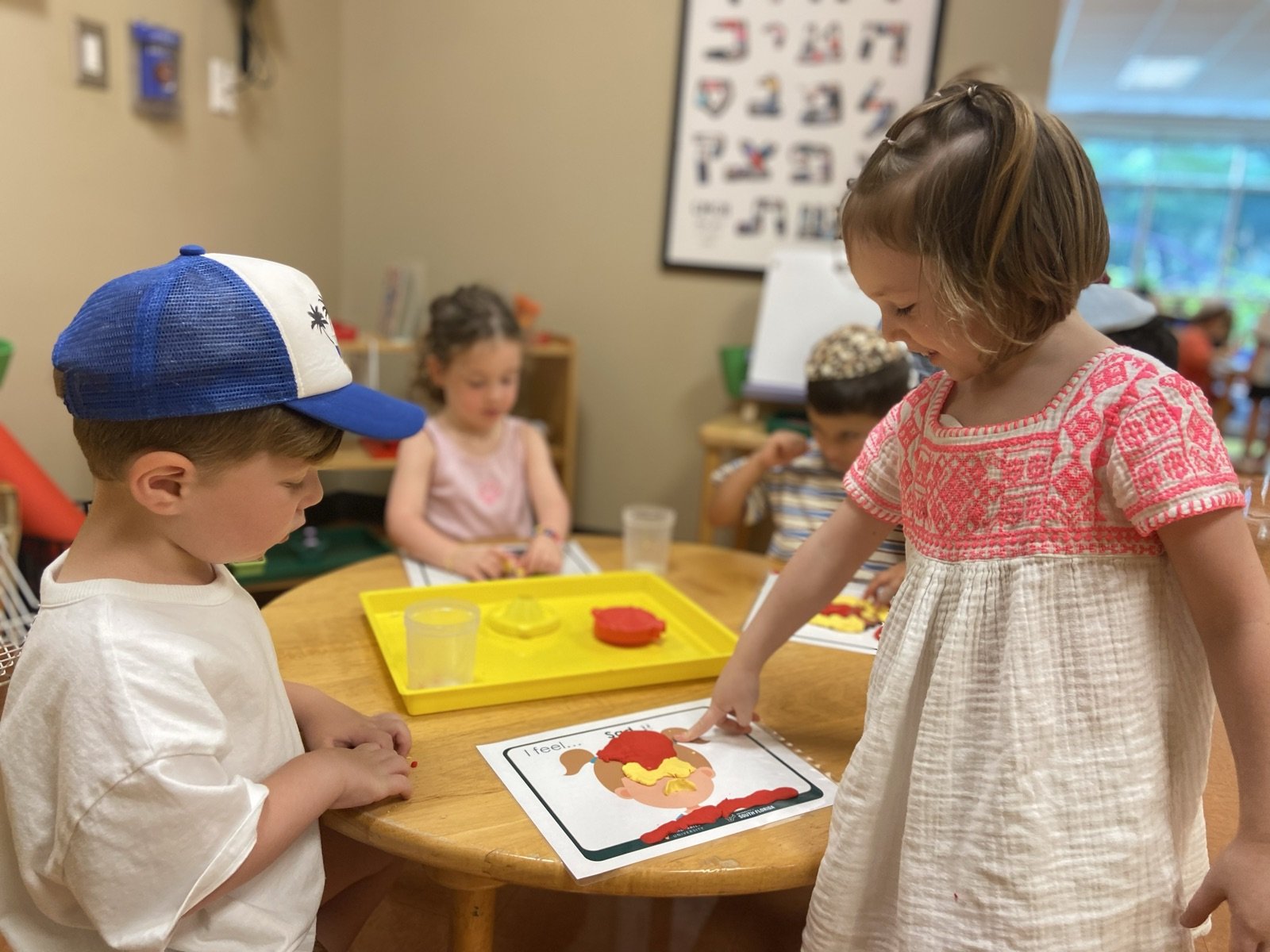
It’s joyful and exciting…but for little ones, it can also be a lot.
When life around children feels inconsistent, we can be their consistency. Keeping the parts of the day you can control familiar- morning routines, mealtimes, bedtime rituals, goodbye routines, and expectations- helps children know what comes next, even when the calendar keeps changing.
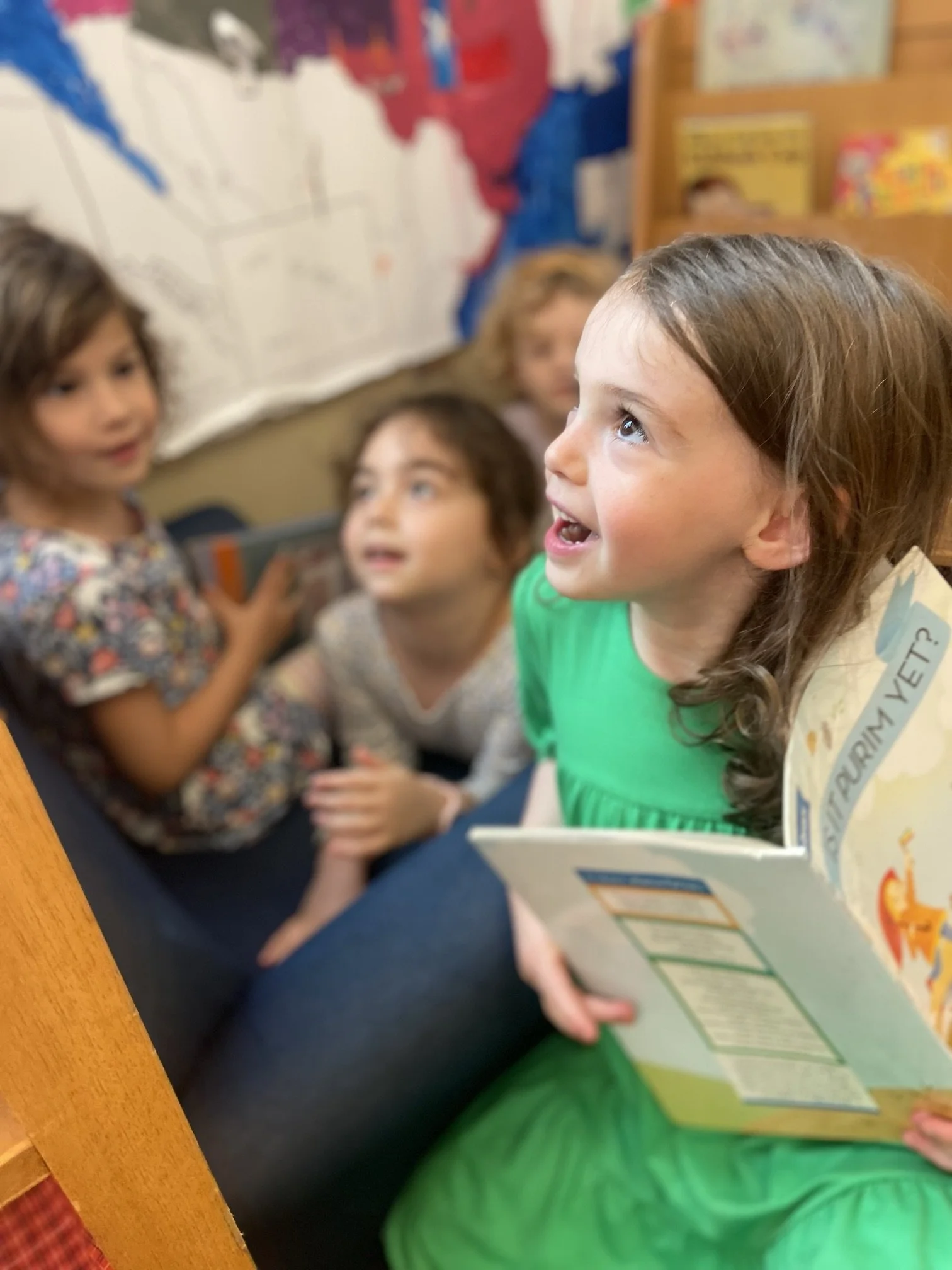
It can also help to prepare children for transitions in simple, concrete language: “Today is a school day. Tomorrow we’ll stay home for Rosh Hashanah. Then we’ll go back to school.” Young children don’t need the entire September calendar explained at once; they benefit most from knowing what’s happening now and what comes next.
And when we return after a break, don’t be surprised if goodbye suddenly feels hard again or an old behavior makes a brief comeback. Children may need to reacclimate more than once during this season. A warm, confident goodbye and a return to familiar routines sends the reassuring message: You know what to do. Your Morahs are here. School is still your safe place.
The schedule may be inconsistent for a few weeks. Our consistency doesn’t have to be.
A Few Ways to Be Their Consistency
Keep your anchors. Even on days off, try to keep wake-up, meals, nap/rest, and bedtime relatively close to the usual routine.
Tell them what happens next—not the whole calendar.“Today we’re home for Rosh Hashanah. Tomorrow we’re home again. Then we go back to school.” Simple and concrete is best.
Use “first, then” language.“First we get dressed, then we go to school.” “First Yom Tov dinner, then bath and bed.” It makes transitions feel predictable.
Keep your school goodbye the same. After a long weekend or holiday, resist the urge to linger because your child is having a harder morning. Use the same warm, confident goodbye they already know.
Give a heads-up before switching gears.“Five more minutes, then we’re cleaning up for bath.” Even a small warning can make stopping a preferred activity easier.
Bring familiar things into unusual days. The location or schedule may change, but the same bedtime book, morning song, lovey, or family ritual can provide an important sense of normalcy.
Expect a little backtracking. More tears, clinginess, testing limits, or difficulty separating after a break doesn’t necessarily mean something is wrong. Return calmly to the routines and boundaries they already know.
Leave some breathing room. Holidays are exciting! When possible, balance all that special with some wonderfully boring time at home to play, rest, and reset.