Timeless Tips: Making Pesach Calm and the Return to School Smooth
As we approach Pesach break, many families are busy preparing, cleaning, cooking, traveling, and changing routines. While this is a special and meaningful time for families, it is important to remember that for children, changes in routine can feel big and sometimes overwhelming. A little preparation and awareness can make a big difference in helping children feel secure, calm, and ready both for the holiday and for the transition back to school.
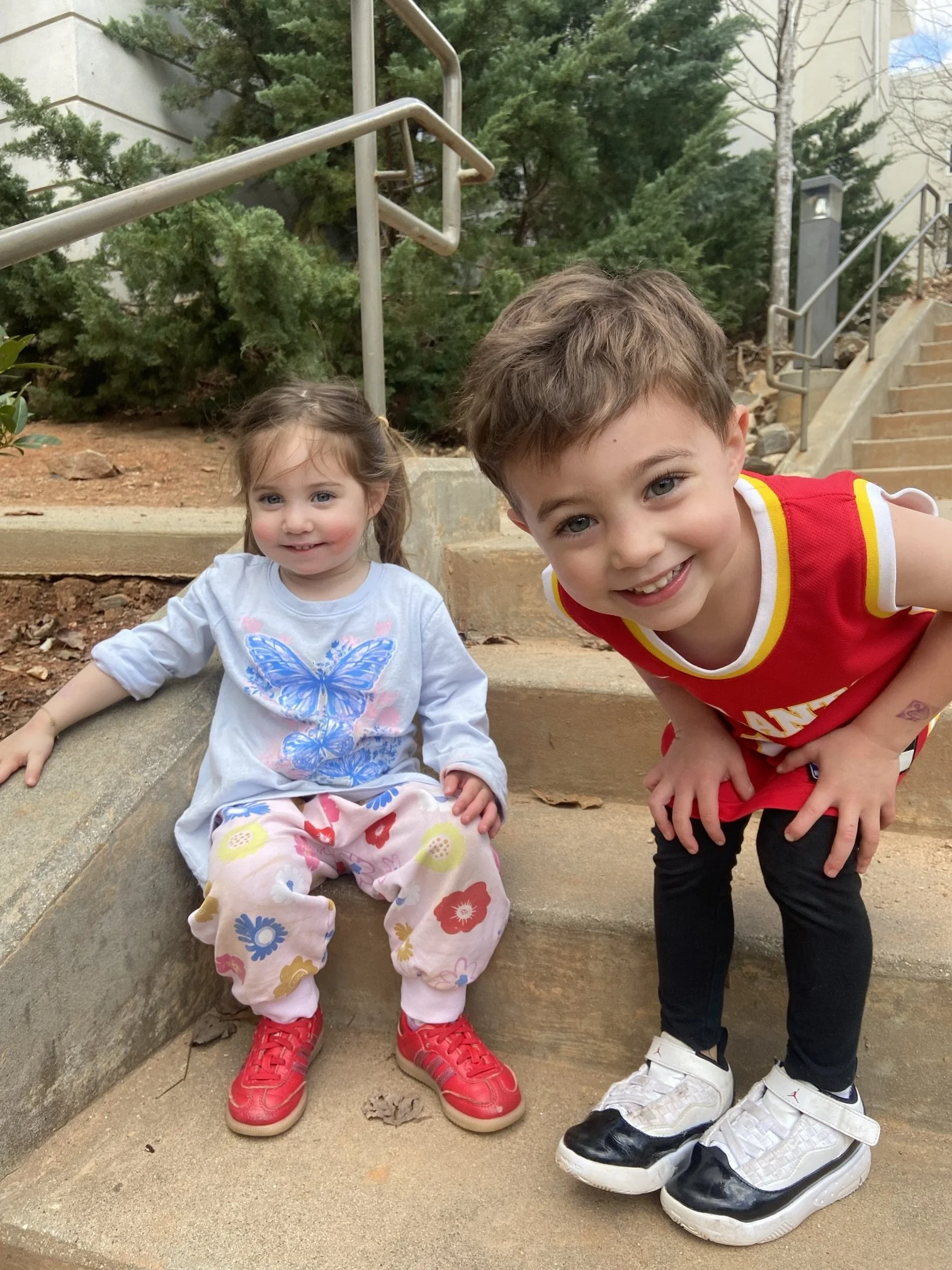
Children thrive on predictability, even during busy times.
Pesach naturally brings later nights, different meals, travel, and busy homes. During times like this, try to keep one or two daily routines consistent. This might be a bedtime routine, reading a book together, saying Shema together, or a quiet few minutes of connection at the start or end of the day. These small predictable moments help children feel grounded even when everything else feels different.
Involve children in the preparation.
Children feel calmer and more connected when they are part of what is happening, rather than being moved around while adults prepare. Even young children can help in simple ways: sorting plastic utensils, checking vegetables, packing boxes, choosing which toys to keep out for Pesach, making place cards for the Seder, or helping set the table. When children are involved, they feel important and capable, and it often reduces behavior challenges.
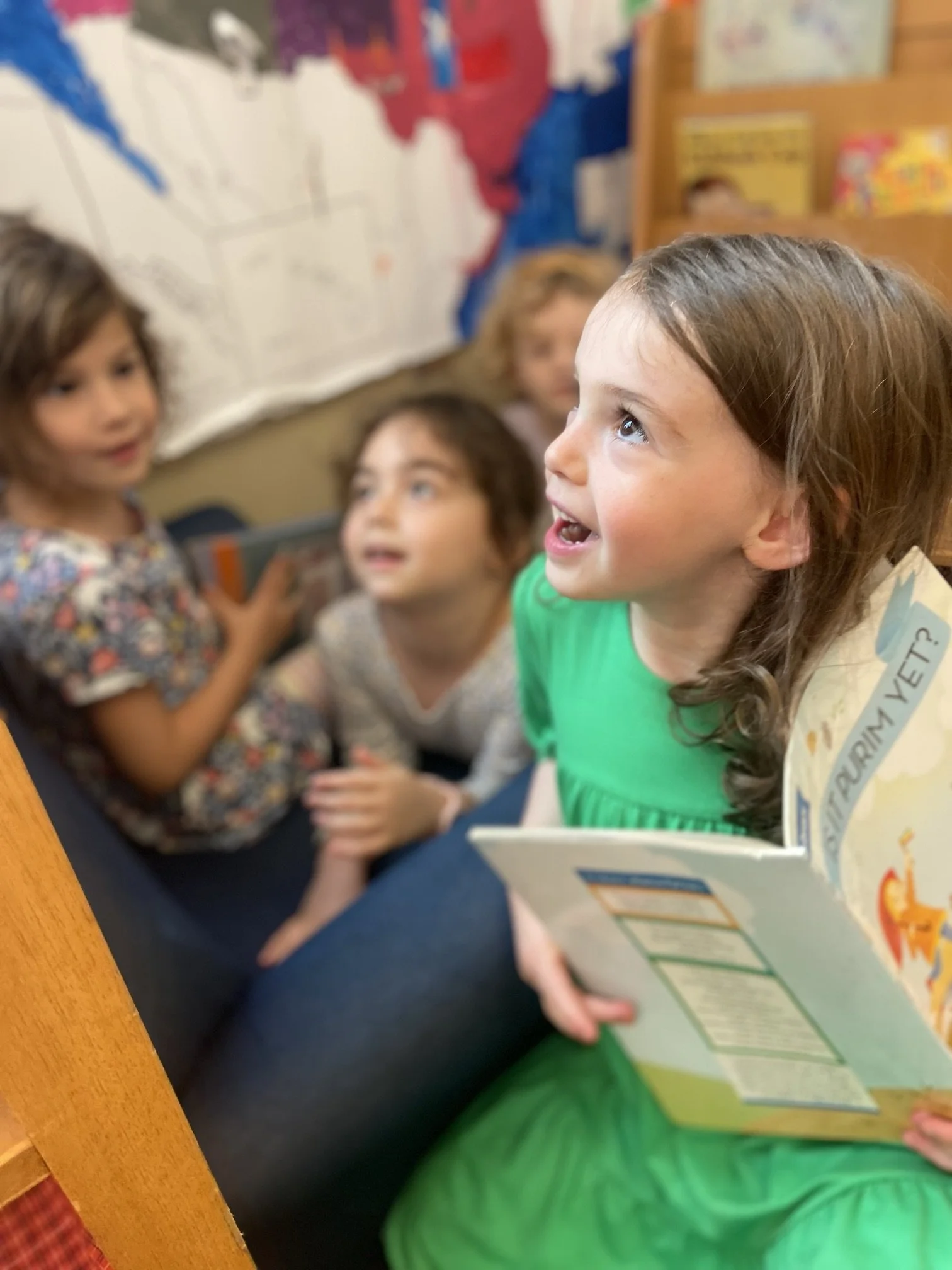
Expect some behavior changes during busy holiday times.
Around holidays, it is very normal for children to become more emotional, more tired, more clingy, or to have more difficulty listening and following directions. This is usually not misbehavior. It is often the result of schedule changes, overstimulation, later bedtimes, and busy environments. When possible, respond with extra patience, earlier bedtimes when you can, quiet time during the day, and more connection. Very often, connection solves behavior challenges faster than correction.
After the break, expect a transition period.
When children return after a long break, even if they love school, you may see separation difficulty, emotional mornings, tiredness, testing boundaries, or children saying they do not want to go to school. This is very normal and usually passes quickly. The best things parents can do that week are to return to earlier bedtimes, prepare backpacks and lunches the night before, keep mornings calm and not rushed, speak positively about school, and keep drop-off short, confident, and loving. Children take their emotional cues from the adults around them.
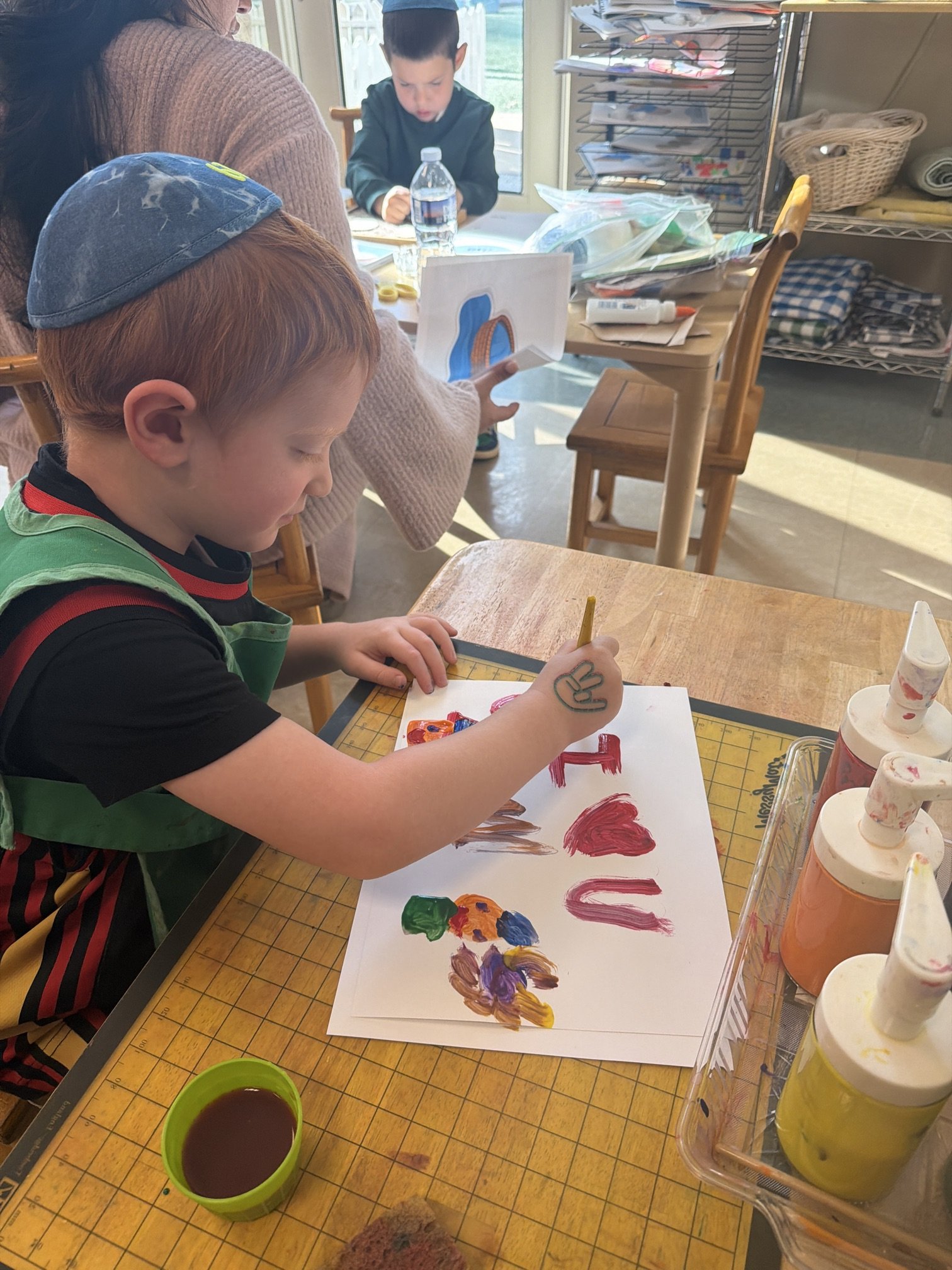
Most importantly, remember what children will remember.
Children will not remember if every detail was perfect. They will remember if Pesach felt warm, calm, and happy. They will remember singing, stories, family time, and feeling included. Connection is always more important than perfection.
Wishing all of our families a meaningful, joyful, and peaceful Pesach break. We look forward to welcoming everyone back refreshed and ready for the final stretch of the school year.